
Ash Wednesday

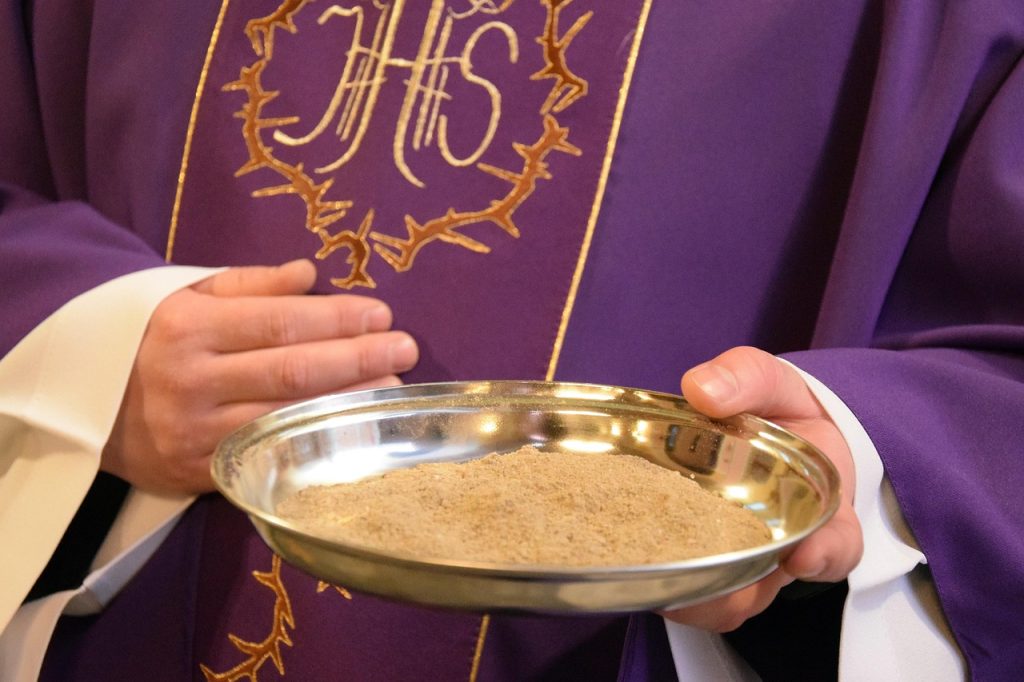
Ash Wednesday marks the start of Lent, a period of 40 days leading up to Easter. In the UK, it is observed mainly by Anglican, Catholic, and some Protestant communities, though participation varies widely.
During services, worshippers receive ashes made from burned palm branches from the previous year’s Palm Sunday, applied in the shape of a cross on the forehead. This act is symbolic, reminding individuals of human mortality and the importance of introspection. The traditional words spoken while applying ashes are:
“Remember that you are dust, and to dust you shall return.”
In the UK, Ash Wednesday is generally a subdued occasion. Unlike countries with larger Catholic populations, such as Spain or Italy, there are no public parades or festivities. Instead, many people engage in quiet reflection, attend church services, or adopt small personal rituals, such as fasting or moderating certain habits.
Beyond religious observance, Ash Wednesday also has a subtle cultural resonance. Cafés or bakeries may introduce seasonal offerings, and workplaces occasionally accommodate employees observing fasting. Schools often provide lessons or activities to foster understanding of the day’s historical and spiritual significance.
For modern Britons, Ash Wednesday is a moment to pause and recalibrate priorities, balancing spiritual reflection with everyday life. It is a measured day that encourages mindfulness, thoughtfulness, and a recognition of long-standing cultural and religious practices.
Vocabulary
introspection (noun): careful examination of one’s own thoughts and feelings
subdued (adjective): quiet, restrained, or low-key
fasting (noun): the practice of abstaining from food, drink, or certain types of food for a set period, often for religious, health, or spiritual reasons.
to foster (verb): to encourage the development of something


Responses