
By the end of this page, you should ...

The verb to be is the most common verb in English but it’s also a very tricky verb. It can be used in two different ways; 

  1. Main verb
  2. Auxiliary verb (helping to create other tenses)

Verb To Be: Main Verb

The verb to be describes identity, characteristics, states and existence. It is a stative verb so you don’t normally use it in continuous forms but we sometimes use it when describing temporary behaviour (She is being annoying today. He was being rude yesterday).

Verb To Be: There Is/There Are

Another common use of to be as a main verb is to show existence: there is/ there are or there was / there were. 

There is a dog on the street

There are 24 children

There was a dog on the street yesterday

There were 24 children

Verb To Be: Auxiliary Verb

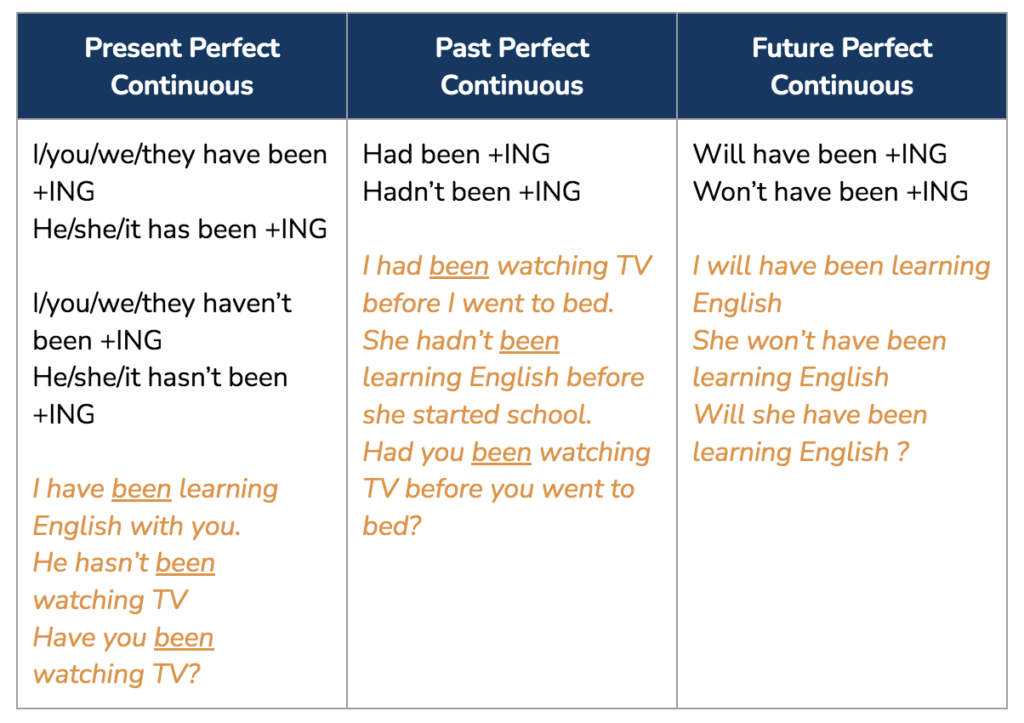
As an auxiliary verb, the verb to be helps build continuous tenses and the passive voice.

The passive voice is created with the verb to be in any tense, followed by the past participle. 

The car is cleaned every day.

The report was written yesterday.

The work will be finished tomorrow.

The verb to be is everywhere in English so it’s important to be able to use this verb correctly.

Average Review Score:
★★★★★

You must log in and have started this course to submit a review.

+1003 enrolled
Open Registration

Course Includes

  • 1 Lesson

Ratings and Reviews

0.0
Avg. Rating
0 Ratings
5
0
4
0
3
0
2
0
1
0
What's your experience? We'd love to know!
No Reviews Found!
Show more reviews
What's your experience? We'd love to know!

Responses

Your email address will not be published. Required fields are marked *